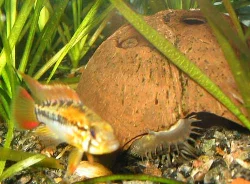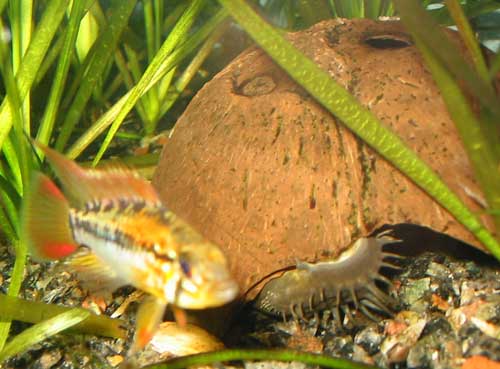
Providing adequate hiding spots is essential for the well-being of many aquarium inhabitants. Species such as Ancistrus catfish and various dwarf cichlids like Pelvicachromis pulcher rely on caves for protection and as essential spawning sites. When hollow driftwood is unavailable, coconut shells offer a durable and bio-friendly alternative.
Aesthetic and Functional Benefits
Unlike artificial PVC pipes or ceramic pots, a coconut shell integrates seamlessly into a natural aquarium layout. Its fibrous surface provides an excellent substrate for attaching epiphytic plants like Anubias or Java moss, further enhancing the natural look.
Step-by-Step Guide
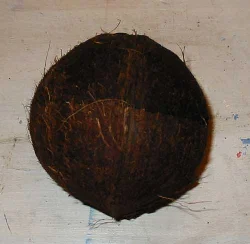
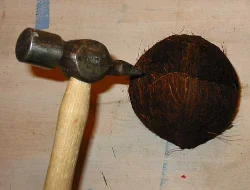
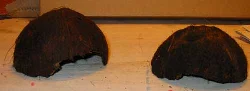
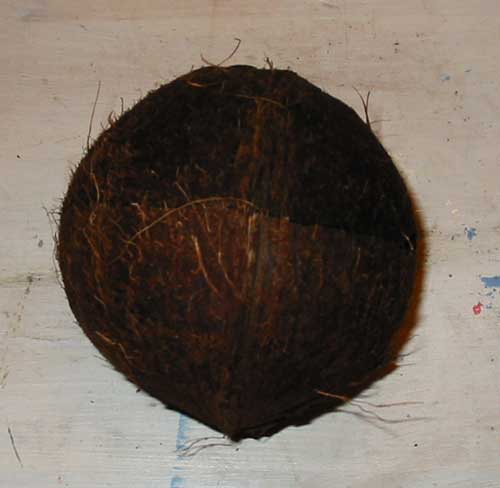
- Splitting the Shell: Using a hammer or the blunt edge of a heavy knife, strike the shell repeatedly along a circular path. Striking the center yields two symmetrical caves, while striking near the end creates one large, deep shelter.
- Extracting the Meat: The white coconut flesh must be completely removed to prevent decay in the water. The meat can be pried out with a knife and is perfectly edible.
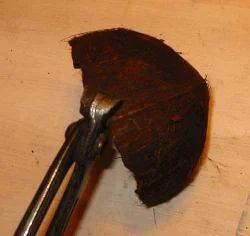
- Crafting the Entrance: Use a side cutter to break away small pieces from the edge to form a doorway. This jagged edge mimics natural crevices better than a perfectly drilled hole.
- Sanitization: Before introduction to the tank, scald the shell with boiling water. Note that the shell will release beneficial tannins, which may slightly tint the water—a condition preferred by many soft-water species.
Biological Impact
Once installed, these caves often become the focal point of a territory. Catfish will frequently graze on the shell's exterior, utilizing the organic matter as a source of dietary fiber.