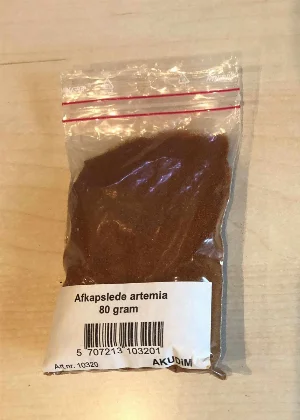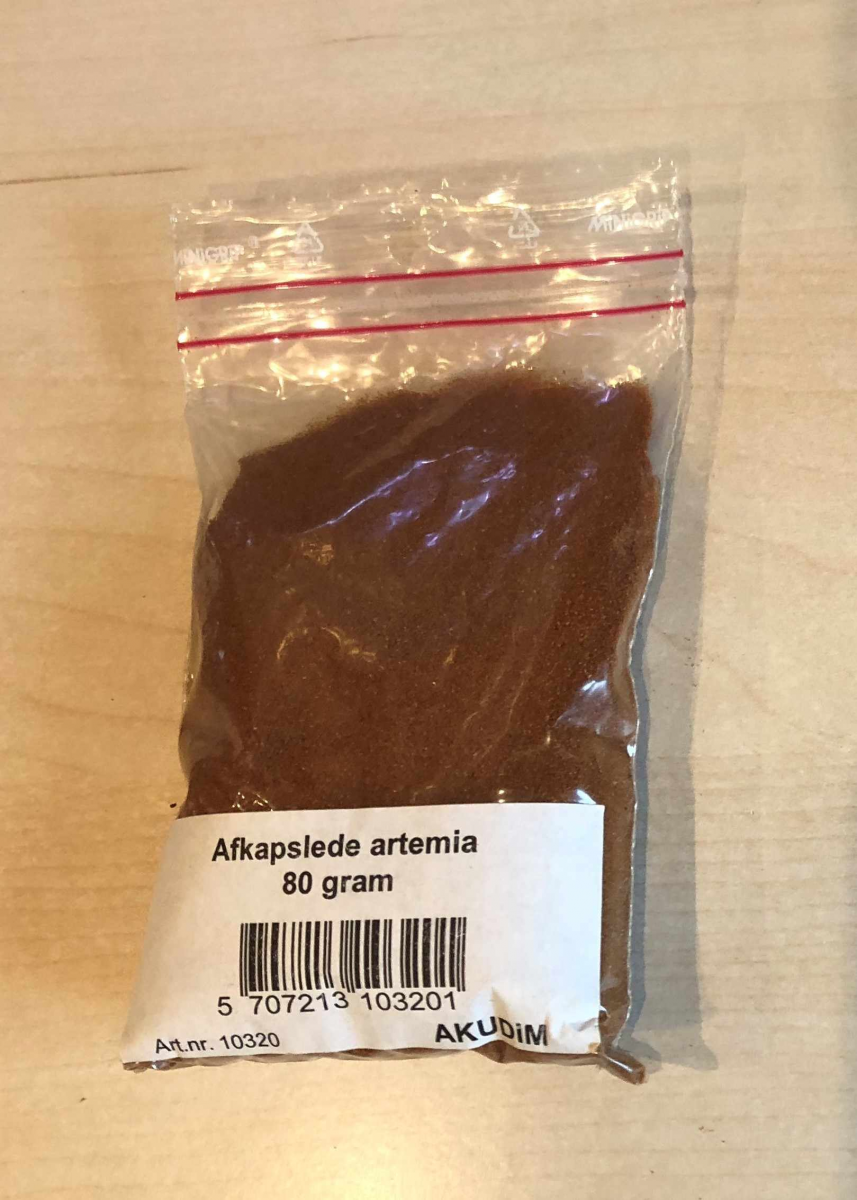
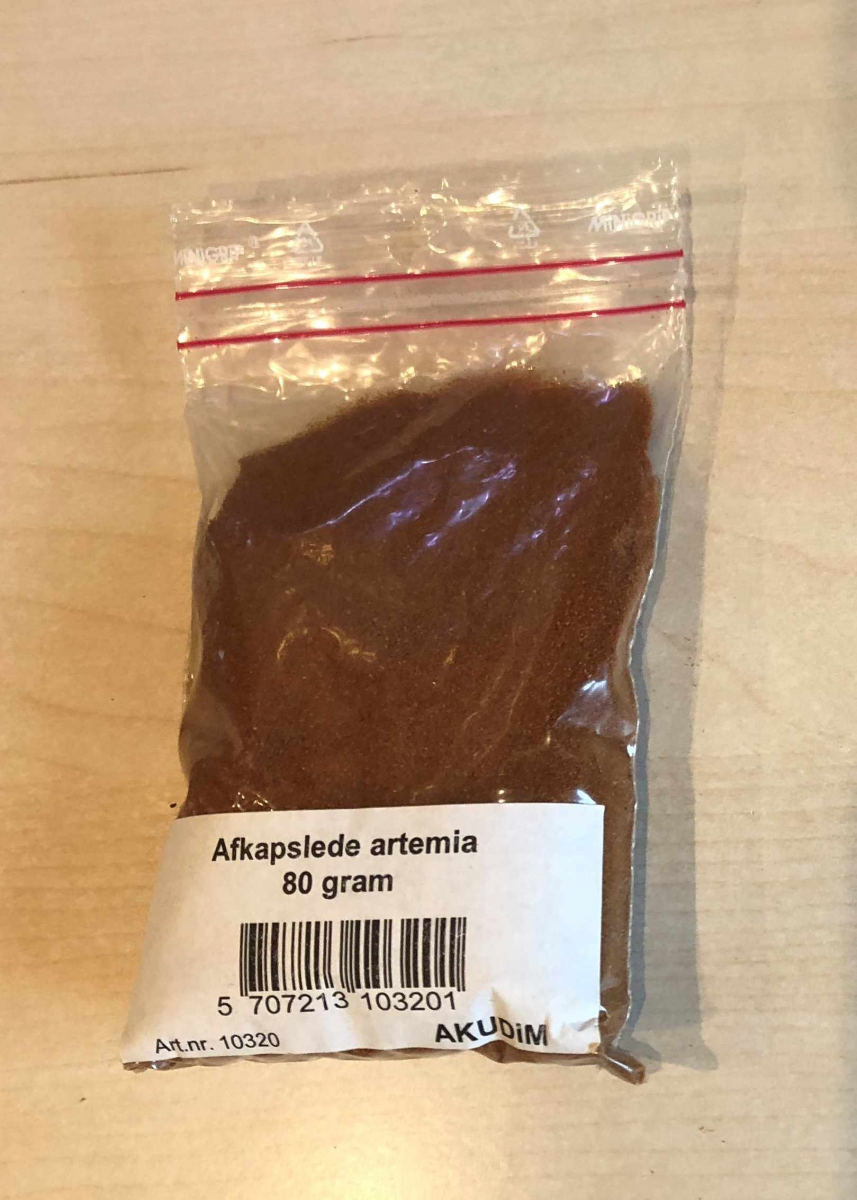
Decapsulated (shell-free) Artemia eggs are an excellent alternative for aquarists who want to provide the high nutritional value of Artemia salina without maintaining a hatchery. These eggs have had their hard, indigestible outer shell (chorion) removed through a chemical process involving chlorine and heat, followed by dehydration for preservation. Please note that you cannot hatch decapsulated eggs; they are intended for direct consumption.
Nutritional Value and Benefits
In theory, decapsulated eggs offer higher nutritional density than live nauplii. This is because the embryo has not expended its energy reserves (the yolk sac) on the strenuous process of breaking through the shell. They are packed with protein and essential omega-3 fatty acids, making them an ideal growth food for fry and small adult species like nano fish and dwarf cichlids.
Feeding and Dosage
Feeding is simple: just sprinkle the eggs directly onto the water surface. While I often sprinkle them dry, soaking them in a small container of aquarium water for a few minutes can be beneficial, as it helps them sink faster and makes them softer for tiny fry. Be careful with the dosage; because the eggs are so small and nutrient-dense, it is easy to overfeed. As always in the hobby, it is better to feed small amounts frequently to avoid polluting the water.
Alternatives
Since decapsulated eggs are stationary, they may not trigger the hunting instinct in highly specialized or picky predators. If your fish require movement to eat, you should consider newly hatched artemia nauplii instead. However, as a convenient and high-quality backup, decapsulated eggs remain a staple in my fish room.