One of the most fundamental questions in the aquarium hobby is how to balance water volume with the bioload. It is not just about physical space, but largely about biology, ecology, and water chemistry.
Calculating Aquarium Volume
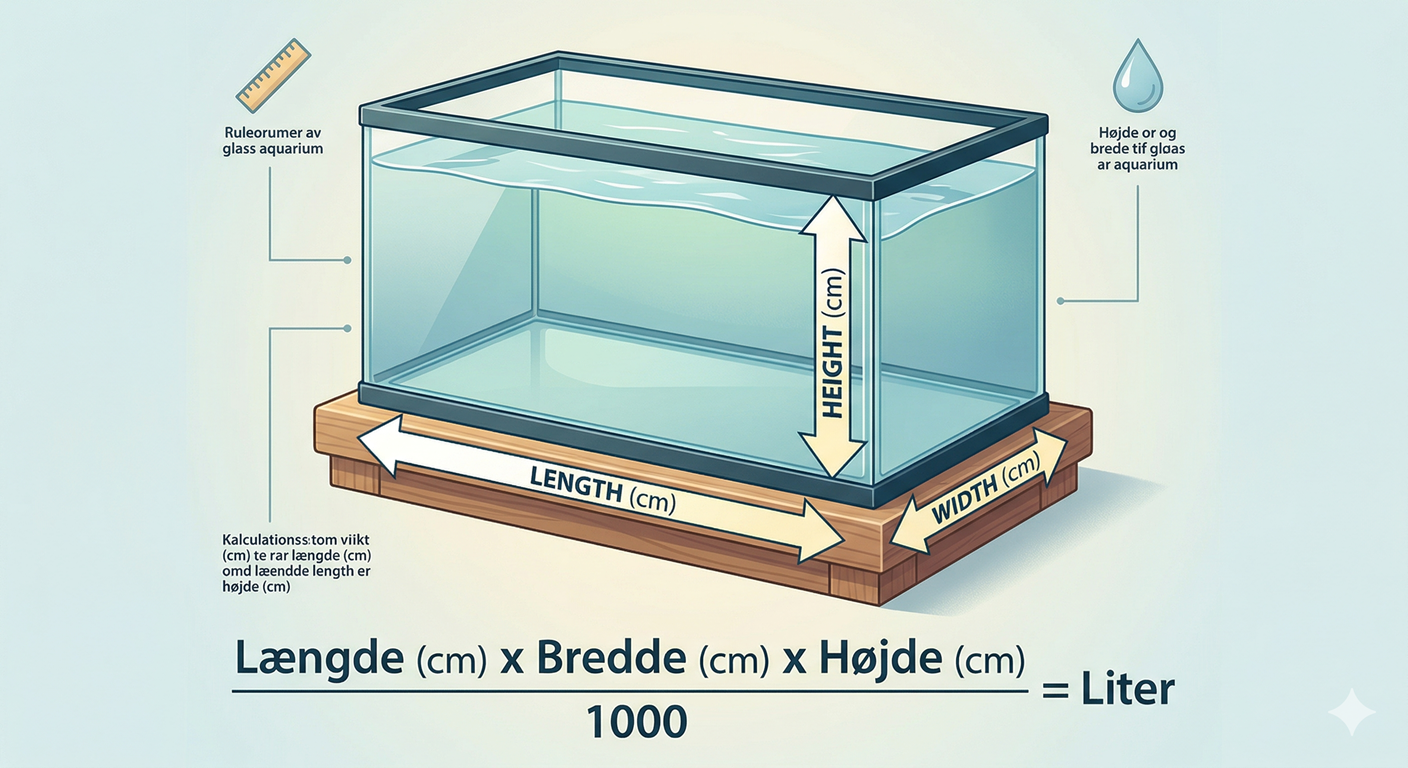
To find your starting point, calculate the gross volume using the following formula:
$$Length (cm) times Width (cm) times Height (cm) / 1000 = Liters$$
Important: This is the gross measurement. To find the net volume, subtract the displacement of substrate, rocks, driftwood, and internal filters.
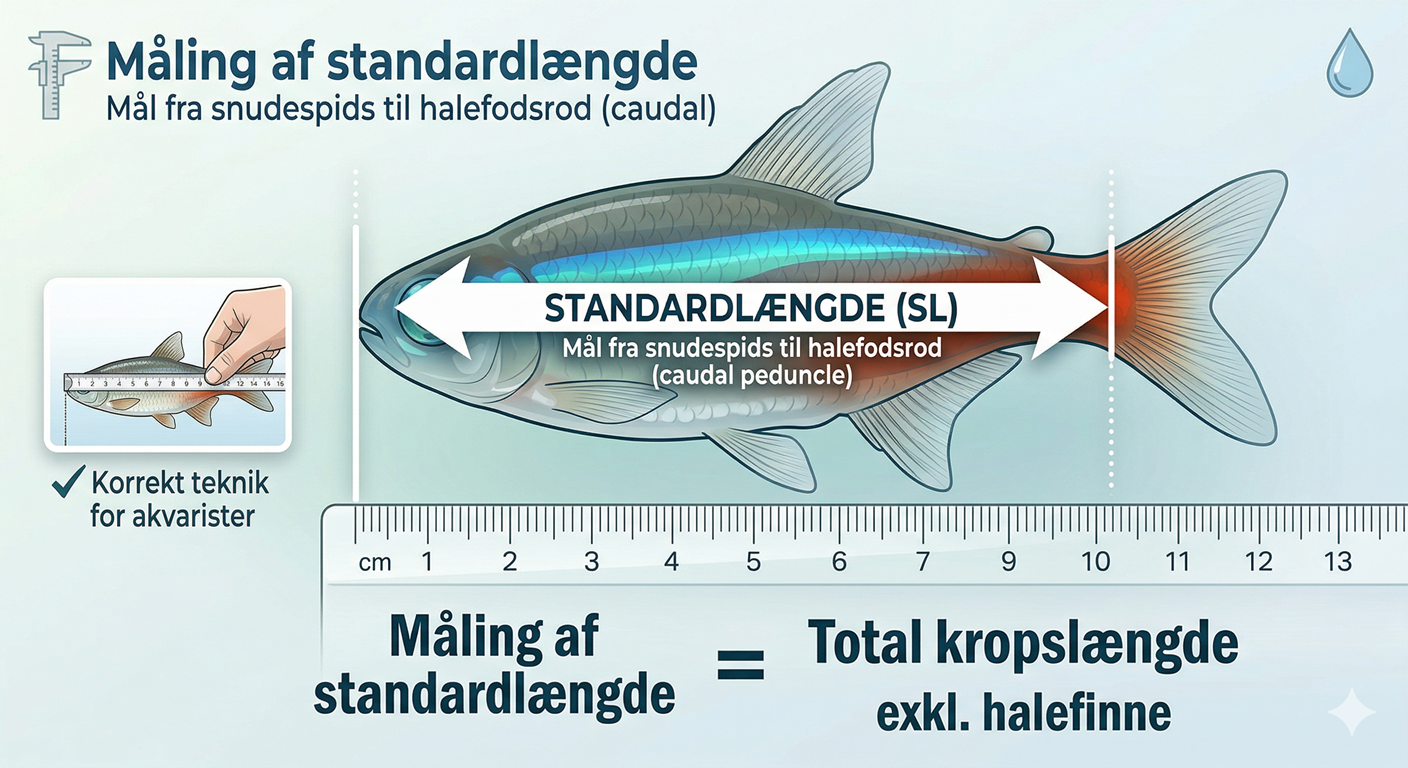
The Rule of Thumb: 1 Liter per cm of Fish
For common community fish such as Paracheirodon innesi or Poecilia reticulata, the rule of 1 liter per 1 cm of adult fish length is a standard guideline.
The Theory of Overstocking
In certain niches, such as Malawi Cichlids (Mbuna), "overstocking" is practiced intentionally to disperse aggression.
Water Changes: The Key to Success with High Bioload
Water changes are an essential part of maintaining an aquarium with a high stocking level. Even if your filter processes ammonia and nitrite, the end product, nitrate ($NO_3^-$), accumulates. In overstocked tanks, this happens rapidly.
- Frequency: While 25% weekly might suffice for moderate tanks, overstocked systems often require 50% weekly water changes.
- Hormone & Waste Removal: Regular changes remove not only nitrates but also growth-inhibiting hormones and pheromones.
Exceptions and Behavior
- Territorial Fish: Species like Pelvicachromis pulcher require footprint over volume.
- Tall Fish: Pterophyllum scalare require a minimum height of 50 cm.
- Active Swimmers: Danio rerio need horizontal swimming space.
Risks of Overstocking
- Oxygen Depletion: High density consumes $O_2$ quickly.
- Disease Spread: Stress increases susceptibility to pathogens like Ichthyophthirius multifiliis.