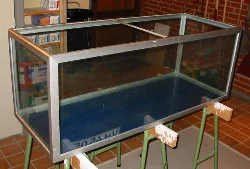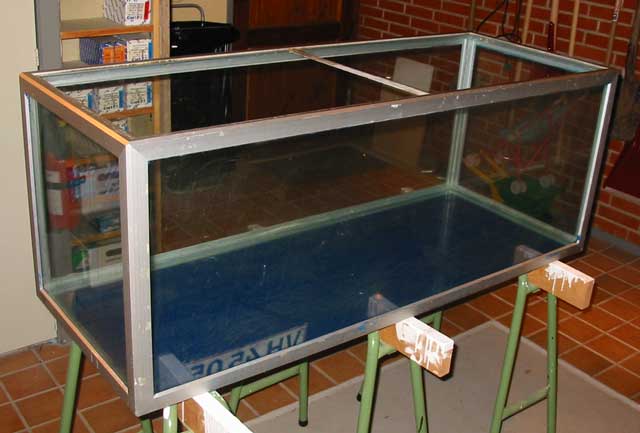
One of the most disheartening experiences for an aquarist is finding water on the floor. While your first instinct might be to toss the tank, repairing it is often straightforward and much more cost-effective. However, success depends entirely on your preparation.
Why Aquariums Leak
The most common cause is silicone losing its bond with the glass. While silicone seals can last over 25 years, issues like improper leveling, physical damage from algae scrapers, or low-quality sealant can cause premature failure. Ensuring your aquarium sits on a 100% level surface is vital to prevent future stress-related leaks.
Preparation: The Critical Step
The tank must be completely stripped, cleaned, and dried.
Avoid spot repairs! Silicone does not bond well to old, cured silicone. To ensure a watertight seal, you must remove the old internal structural bead entirely.
Use a fresh utility knife blade to scrape the glass until it is perfectly clean. The most crucial factor is degreasing. Use pure acetone to clean the bonding surfaces. Avoid rubbing alcohol, as it can leave a residue that interferes with the bond. Once degreased, do not touch the glass with bare skin, as oils from your fingers will compromise the seal.
The Sealing Process
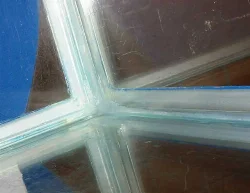
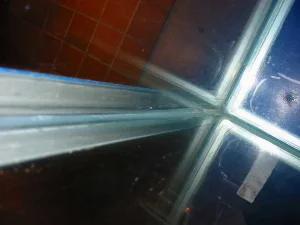
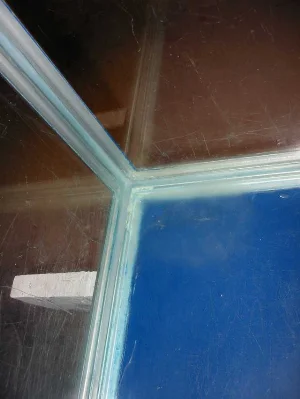
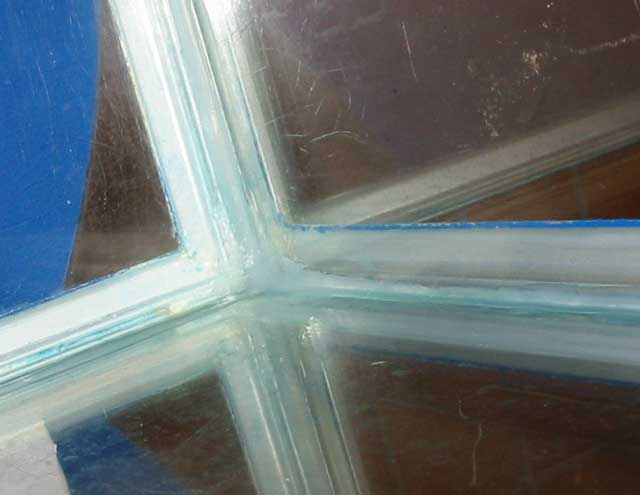
Always use 100% acetic-cure silicone labeled safe for aquariums. Never use sanitary or kitchen silicone, as the anti-fungal additives are lethal to fish. 1. Apply a continuous bead of silicone along all internal joints. 2. Wet your finger with a bit of dish soap and smooth the bead into a neat, even fillet. 3. Pay extra attention to the corners where three panes meet.
Allow the sealant to cure for at least 24-48 hours. Always perform a leak test in a safe area like a garage or bathtub before returning the tank to your living room.
Repairing a Cracked Bottom
A cracked bottom pane is dramatic but fixable. Instead of disassembling the entire tank, you can reinforce it with a second pane of glass (a "patch") placed internally. The patch should be 2-3 cm smaller than the internal dimensions to fit within the existing seams. Apply silicone in a wavy pattern across the entire bottom, press the new degreased pane firmly into place to eliminate air bubbles, and allow it to cure for at least 48 hours.