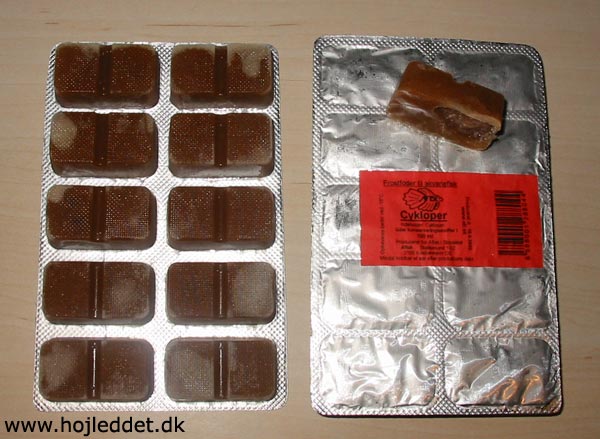
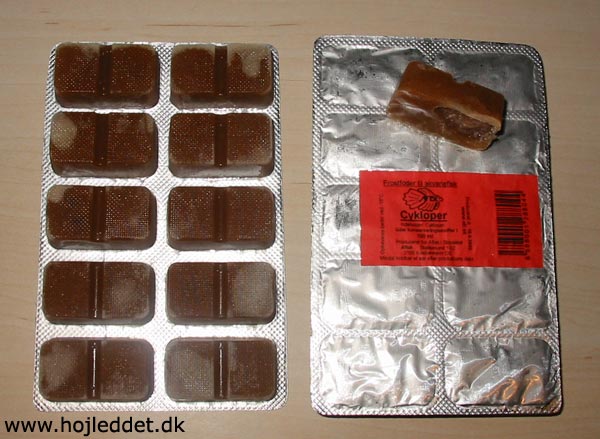
In my experience, frozen cyclops (copepods) are among the best all-around frozen foods available. Many hobbyists turn to cyclops as a safe alternative to red mosquito larvae, as they are suitable for almost all fish. This includes sensitive species like Mbuna cichlids from Lake Malawi, which can suffer from digestive issues when fed heavier larvae.
Color Enhancement and Nutrition
Cyclops are naturally rich in astaxanthin and other carotenoids, which directly enhance the pigmentation of your fish. You will often notice that red, orange, and yellow hues become significantly more vibrant with regular feeding. Despite their small size, they are eagerly consumed by both tiny fry and large adult fish, as they disperse through the water column and stimulate natural foraging behavior.
Feeding Techniques
The most effective method is to thaw a cube in a small container of aquarium water or a fine-mesh sieve before distributing it. While some aquarists drop frozen cubes directly into the tank, others warn against potential "frostbite" if a fish swallows a frozen chunk. While I haven't personally seen issues with direct feeding, pre-thawing allows for a more even distribution throughout the aquarium.
Wild Catch vs. Frozen
You can catch live Cyclops in local ponds during the spring, which provides excellent enrichment. However, wild-caught food carries the risk of introducing parasites or predators like damselfly larvae. Choosing frozen cyclops offers the same nutritional benefits with much higher biosecurity. For the best value, consider buying 1 kg bulk packs instead of the standard 100g blister packs.