Microworm Culture Microworm Culture

Aquainfo.dk

Microworm Culture

Easy and nutritious live food for tiny fish fry.

Se galleri
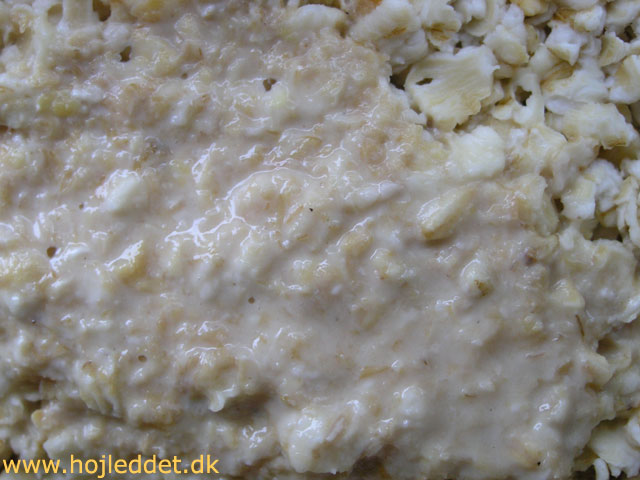
As the culture ages, the oatmeal mixture becomes more liquid.

Microworms (*Panagrellus redivivus*) are among the simplest live food cultures to maintain. These tiny nematodes are the perfect first food for fry of tetras, barbs, and other species where newly hatched brine shrimp are still too large. They thrive on a substrate of fermenting oatmeal and multiply by the millions.

Establishing the Culture

To start your culture, use a shallow plastic container with a tight-fitting lid. Poke tiny air holes in the lid with a needle to allow gas exchange without drying out the media. 1. Prepare a base of oats moistened with water until it reaches a thick porridge consistency (approx. 2-3 cm deep). 2. Add a pinch of dry yeast to kickstart the fermentation. 3. Add your starter inoculum on top of the mixture. Keep the container in a warm, dark place to encourage rapid reproduction.

Harvesting and Feeding

As the culture peaks, thousands of worms will climb the sides of the container. You can easily harvest them using a finger, a small brush, or a cotton swab and dip them directly into the fry tank. A major benefit of microworms is their ability to survive in aquarium water for up to 24 hours, meaning they won't immediately foul the water if you happen to overfeed slightly.

Maintenance and Odor

Due to the fermentation process, the culture will naturally have a sour smell. To keep production high, add a tiny amount of fresh yeast weekly. After 2-3 weeks, the medium often becomes too liquid, and yields will drop. At this point, start a fresh culture by using a small scoop of the old one as an inoculum. It is always wise to keep at least two cultures running at different stages to ensure a constant food supply.

Faktatabel

Quick Stats
Genus

Panagrellus

Trade Name

Microworms

Type

Live food

Quantity

Podning fra eksisterende kultur

Price

0.00

Retailer

Private akvarister eller specialbutikker

Billedgalleri

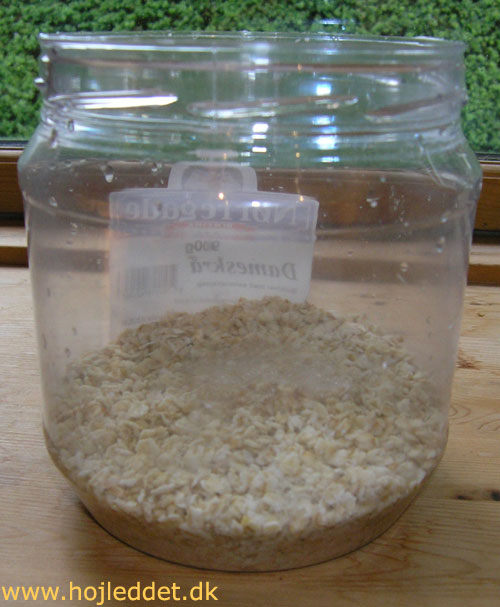
A microworm culture in a jar. The worms appear as a whitish film on the sides.

A microworm culture in a jar. The worms appear as a whitish film on the sides.

As the culture ages, the oatmeal mixture becomes more liquid.

As the culture ages, the oatmeal mixture becomes more liquid.

Comments

Diskussion
Vi gennemser alle kommentarer.
M
Mia Qvist
2008-01-05 16:48:56
hej. Jeg har læst på akvariefisk.dk, at zebrafisk/danio bør opfodres med Infusier når man pkanlægger at yngle på dem. Men jeg ser intet on Infusier på fodresiden.. Kan du fortælle mig hvad det er??
Aquainfo
Infusorier er bittesmå organismer som bl.a. er velegnede til fodring af meget småt fiskeyngel. Jeg har aldrig selv haft det store held med at få fremskaffet infusorier på det rigige tidspunkt og har måttet hutle mig igennem med andre metoder. Akva-net.dk har en artikel om hvordan man laver infusorier.
T
Tonny Borchmann
2007-09-05 20:07:37
Fine artikler på disse sider, men på fodersiden savner jeg Enkyträkulturer. Desvärre ser det ud til, at dette glimrende foder er forsvundet fra akvaristernes minde. Det er synd. Blandt levende foder burde der også nävnes Mysis. Säsonen for fangst af disse er netop startet.
Aquainfo
Enkytræer læste jeg tit om i de gamle bøger, men jeg har aldrig selv prøvet at holde dem, så jeg kan ikke rigtig bidrage med erfaringer. Min fornemmelse har altid været at det var lidt besværligt - uden egentlig at vide noget om det. Mysis er også et foderdyr som jeg har hørt mange beskrive, men jeg har kun fået taget mig sammen en enkelt gang til at forsøge at fange nogle og det var tilsyneladende det forkerte sted eller tidspunkt jeg forsøgte.